



 863-491-7211
12 Garden Tool Storage Ideas You Will Like

When your toolbox grows faster than your tomatoes, it’s high time to think about a solid storage system. The good news is that garden tool storage doesn't require a full renovation. You merely need to arrange cabinets, shelves, bins, and pallets to create a convenient storage system where you actually find pruners on the first try.
Here are 12 garden tool storage ideas, organized by space: wall-mounted systems, freestanding racks, cabinets, small-shed solutions, and repurposed DIY builds.
1. Vertical Wall Storage
 This is one of those garden tool organization ideas that just makes sense, especially when you're tight on floor space. Hang your tools on the wall - literally. You'll need some basics: hooks, a few brackets, maybe holders, those slatted wall panels, or a grid. A good old pegboard works fine, too. If you actually want to keep things convenient, hang your most-used stuff right at eye level (nothing's worse than scrambling around for the hand fork just out of reach). Color-coding the handles can be a game-changer, too, when you're juggling everything in the rush.
When you put this together, check that everything is anchored solidly. The last thing you want is a wall of tools crashing down because a mount gave way. Do it right, and suddenly your shed looks less like a disaster zone and more like a tidy little headquarters. Tools stay sorted, get a bit of protection from damp, and-bonus-they're not all underfoot. For anyone trying to make the most of a cramped space, vertical wall storage saves your sanity without cutting corners on storage.
2. Tool Storage Bench with Cabinets

A tool storage bench with cabinets - honestly, they're hard to beat if you want a real workspace and somewhere to stash gear. But getting the right one isn't just about snapping up whatever fits. If the cabinets are too shallow, you'll spend half your time trying to wedge in tools that just won't go. Always check the depth. That, and you want materials that can actually take a beating and won't fall apart if it gets damp, so skip the flimsy stuff. If you're handy and have the patience, building your own is an option, especially if you crave something weirdly specific. No energy for DIY? You'll still find plenty of sizes and finishes on the market to pick from.
A lockable cabinet or section for pruners, saws or any sharp or chemical items - this is more important than it seems in a shed that hits 90% humidity in July. If you prefer not to build, storage cabinets designed for daily use last longer than most flat-pack garden benches.
3. French Cleat System

A French cleat is two angled pieces of wood, one on the wall and one on the tool holder that fit together and allow you to change your work position without having to have to drill new holes over and over again. Cut a 45-degree bevel on a 1x3 board, attach it to the wall studs, and install matching strips on shelves, hooks, or tool caddies. It's the most flexible wall system on this list is you’re constantly changing the shape of your tool collection.
4. Repurposed Pallet Organizer
 Then there are pallets-those old things stacked behind big-box stores. Sand them down (nobody likes splinters), slap on some hooks or even a shelf, and suddenly you've got yourself a decent wall organizer. You can go all out: stain it, spray paint it, stick labels everywhere if that's your thing. Besides looking pretty cool, it keeps junk out of the landfill instead of dumping more plastic into the world.
5. Rolling Garden Cart

If lugging tools back and forth isn't your thing, a rolling cart just makes life easier. You toss everything in one spot, wheel it to wherever you're digging, and no more frantic back-and-forth for that missing trowel. The best carts don't wobble - they're built solid, with chunky wheels that power through grass and gravel (or whatever mess your yard throws at them). Some even have seats, which isn't just a handy detail, it's a knee-saver-especially if getting up and down isn't as easy as it used to be.
No need to buy one if you're handy - a little DIY project, some leftover wood, and you're halfway there. Dividers or bins help wrangle all those tiny odds and ends that usually disappear. Bottom line: a rolling cart does the heavy lifting, literally. Toss in your stuff and roll-no more hauling bags like you're on a camping trip you didn't sign up for.
6. Pegboard System
 Now, pegboards - old-school, but with serious range. They take whatever you throw at them: lopsided shovels, weird hose attachments, even the gloves you keep misplacing. Installation doesn't take much-bit of wall, some anchors, screws, and you're up. Don't just stop at basic hooks - buckets, shelves, and random bins; all have a place here. Paint it neon green if you feel like it. Make it weird, make it yours. None of your tools will wander off again (well, in theory).
7. Garden Tool Rack from PVC Pipes
 Want a tool rack that doesn't look like everyone else's? Make one out of PVC pipes and call it done. Grab your PVC pipes, a handful of connectors, a basic saw, and some screws-that's pretty much the shopping list.
Cut the pipes to whatever lengths you need, then piece them together with the connectors until they actually look like a rack. Mount the whole thing to the wall, or maybe to some frame you trust with your spade collection. If your tools are all over the place in shape and size, just switch up the pipe lengths. The best part: PVC doesn't care about the weather, so leave it outside and forget about rust or rot.
8. Magnetic Strip Storage

Forget digging through a cluttered toolbox - just slap up a magnetic strip, and suddenly your screwdrivers, wrenches, pliers, and even saw blades are lined up right where you can see them. No more shoving and fumbling.
How to get it on the wall: Pick a spot on your drywall you can actually reach (and that won't fall apart once you load it up). Grab your magnetic strip, a drill, some screws, a pencil, and a level. Mark a straight line for the screws - no crooked strips - using the level, then match up the strip and drive the screws in. Before you pile all your tools on, hang a few to make sure the thing's not going to rip off the wall. Done. Tools up front, drawers and shelves suddenly breathing again.
9. Repurposed Household Items
 Old dressers, kitchen utensil holders, and shoe organizers sitting around? Don't toss them-fill them with garden tools instead. A dresser swallows up bulky gear. Those utensil caddies are just the right fit for trowels and pruners. Or try hanging a shoe organizer - slide tools right into the pockets. Not fancy, but honestly, way better than another pile in the corner.
10. Garden Shed Organization

Honestly, if you've got a garden shed, don't just toss everything in a heap - stack things up. Shelves, hooks, a few racks bolted to the door - use the walls instead of letting shovels and hoes trip you up every time you step inside. Slap on some labels, too, especially if you keep stuff in bins (no more guessing which box has the pruning shears). The trick, though, is to actually go back in every so often and clean the place up before it turns back into a mess of abandoned gloves and mystery fertilizer.
11. Galvanized Bucket Storage
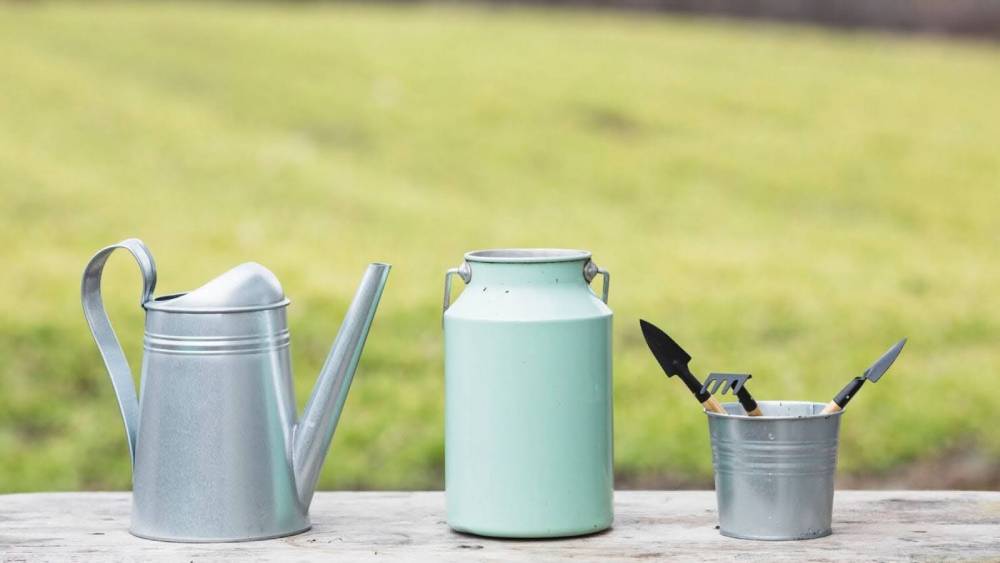 If you want something a bit more old school (and maybe a little Instagram-friendly), galvanized buckets do the job. Don't just grab any bucket. Get one that can actually hold those heavy spades or trowels. Sort your gear - pruners in one hand, forks in another. Hangers, shelves, or just lined up on the floor, it doesn't matter as long as you can grab what you need without digging. There's something solid about the look, a sort of deliberate, rough-around-the-edges charm. Definitely beats plastic crates that crack in the cold.
12. Overhead Ceiling Storage

If your shed or garage has open rafters, you've got unused storage space above your head. Ceiling-mounted racks work well for seasonal items you don't reach for weekly: hoses, extra stakes, folding chairs, or off-season tools. Check the weight rating before loading it, and mount into ceiling joists rather than drywall alone. For a full rundown on whether these systems hold up under real weight, see our guide on overhead storage.
Choosing Storage That Lasts
Cheap storage looks fine on day one and fails by the second season, especially outdoors. A few things to check before you buy or build a solid garden storage system:
- Material. Powder-coated steel and heavy-gauge plastic hold up in humidity; particleboard and thin sheet metal don't.
- Weight rating. A shelf rated for 10 pounds won't hold a loaded tool bag, so check the actual rating, not the marketing copy.
- Weatherproofing. Look for sealed seams and rust-resistant hardware on anything living outside or in an unheated shed.
- Lockable options. For shared sheds or anyone storing chemicals and powered tools, a lockable section keeps things secure.
If you're outfitting a shed you share with neighbors or a garden crew, our guide on garden tool storage breaks down what steel gauge actually holds up under daily use.
Frequently Asked Questions
How to organize garden tools in a small shed?
Go vertical. Hang long-handled tools on a wall rail or French cleat, place hand tools on the back of the door, and install a small cabinet for chemicals and valuables. The key to a small shed is keeping the floor clear.
What is the best way to store long-handled tools?
Display by the handle on the wall rail, pegboard hooks or a rack to keep the working end off the floor. This prevents blades from rusting, saves floor space, and prevents edges from becoming blunted from contact with concrete.
How to keep garden tools from rusting?
Keep the tools off the floor and in a dry place. Lightly oil the blades before winter, and wipe them clean after use. A closed cabinet with a desiccant packet will reduce humidity on metal tools much better than an open shed wall.
Where to store valuable or sharp garden instruments?
A lockable cabinet. It stores pruners, saws, and powered tools securely out of reach of children and away from moisture, unlike an open rack.
How do you store garden tools in a garage?
Clear the floor of the car's path, and use a wall system or freestanding rack along one wall for seasonal items, with a cabinet for chemicals and small tools along another wall.
Conclusion
There's no need to spend a fortune to organize your garden tools. Half the fix is usually sitting in your garage: an old pallet, a spare dresser, a piece of PVC pipe. Choose 2 or 3 ideas from this list that fit your space, keep tools dry and off the floor, and are easy to maintain every couple of months. Even if you have tools you want to keep protected - whether that's powered pruners or the entire crew's tool kit - a sturdy storage cabinet that lasts through everyday use is worth upgrading from another rickety bin.